BC Pauses Its Most Unpopular New Tax, and What It Means for Metro Vancouver Presale and Condo Buyers
BC is pausing its planned PST expansion to professional services, including strata management, and it matters more for condo owners than the headline suggests.

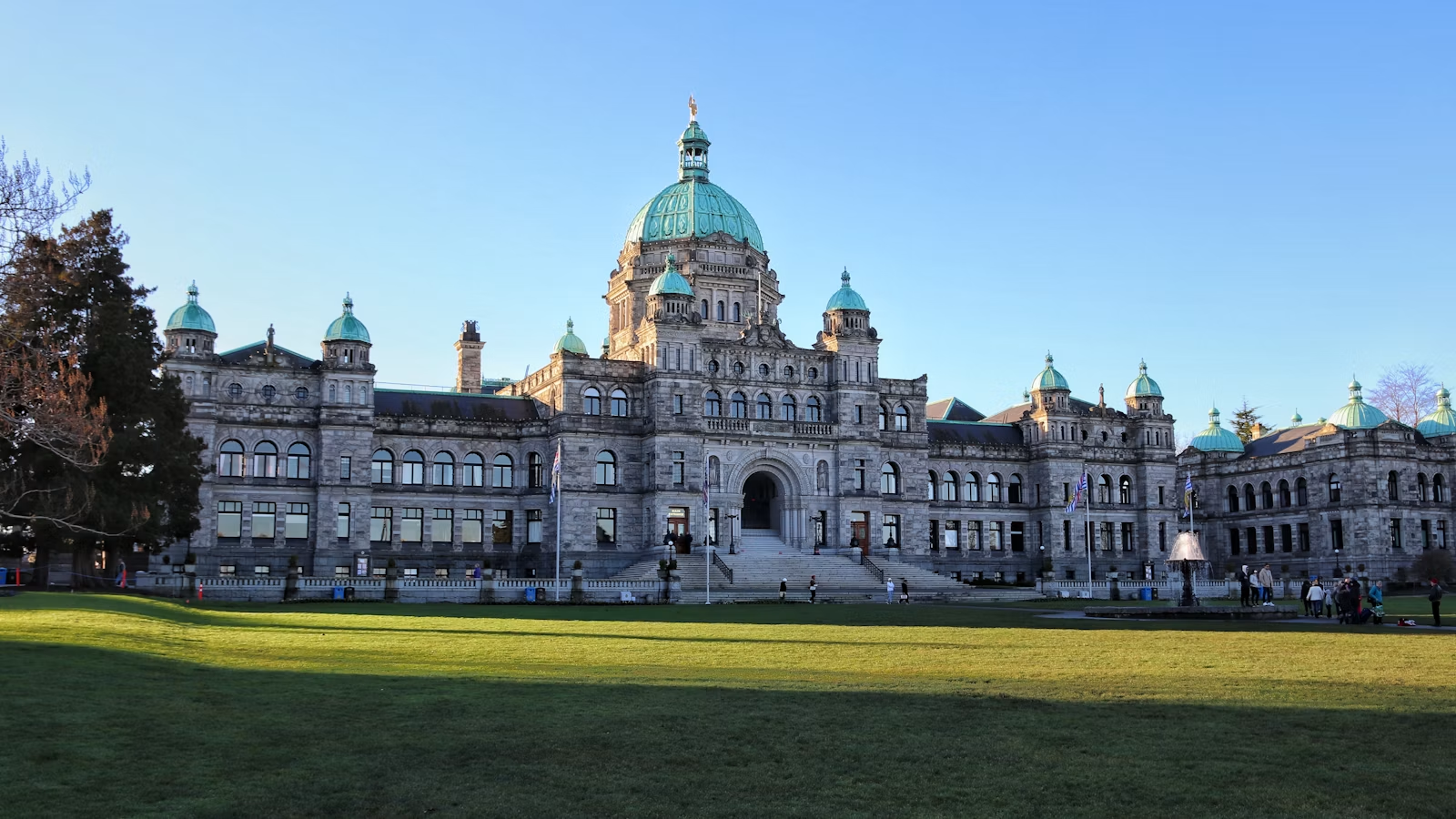
On September 18, BC Premier David Eby announced the province is pausing a tax change that had drawn more public pushback than almost anything else in this year’s provincial budget. The planned expansion of the Provincial Sales Tax to a range of professional services, set to take effect October 1, is now on hold. For most British Columbians this reads as budget-page news. For anyone who owns or is about to own a condo in Metro Vancouver, it is more personal than that, because one of the services on the list was strata management, the fee every condo owner already pays every month.
What was actually about to happen on October 1
BC’s 2026 budget proposed extending the 7% PST to several professional services that had never carried it before: accounting and bookkeeping, security and private investigation, and architectural, engineering and geoscience services, the last group taxed on 30 percent of the price rather than the full amount. It also captured what the government called non-residential real estate services, a category that includes commissions on buying and selling non-residential property, rental property management, and strata management services.
That last item is the one worth pausing on. Strata management fees are built into the monthly strata fee on effectively every condo and townhome in the province, presale completions included. Adding 7% PST on top of what strata corporations already pay their management companies would have flowed straight into higher monthly fees for owners, with no input tax credit available to soften it, since BC’s PST does not work the way GST does for most businesses paying it.
Why this became BC’s most unpopular tax proposal in years
The province’s own legislative process ended up documenting just how unpopular this was. The Select Standing Committee on Finance and Government Services, in its report on 2027 budget consultations, noted it had received nearly 400 presentations and more than 1,100 written submissions from across BC. Among its 81 recommendations, the committee explicitly told the government to repeal the planned PST expansion to professional services.
The Canadian Federation of Independent Business told the committee that 80 percent of the businesses it surveyed opposed the expansion, and 72 percent said they intended to pass the added cost straight on to customers. The Greater Vancouver Board of Trade called it a new tax on tax on the services businesses rely on every day. The core objection from most of these groups was structural: BC’s PST has no broad system of input tax credits, so it tends to stack at every stage a service touches a project, an effect critics call tax cascading. The BC Conservatives seized on the committee’s finding and kept pressing the government publicly to scrap the change.
The line that mattered most for real estate
Buried in that same debate was a warning specific to housing. The BC Real Estate Association told the committee that applying PST to commercial and non-residential real estate services could raise costs throughout the development process and make some housing projects harder to finance. Architects, engineers, and geoscientists are exactly the professionals developers pay through a project’s design and permitting phase, well before a single unit sells. A new tax layered onto those fees does not stay with the developer. It works its way into land economics and, eventually, into what a project needs to charge per square foot to pencil out.
What actually changed on September 18
The government is not repealing the expansion outright. It is pausing it through a temporary regulation, and the framing matters. “There’s a time to stay the course and there’s a time to adjust. This is a time to adjust,” said Premier Eby, tying the delay explicitly to the ongoing Canada-US trade dispute rather than to the domestic backlash. Finance Minister Josie Osborne said the pause would help businesses and local governments manage costs during a period of economic uncertainty. The province estimates the pause saves people, local governments, and businesses roughly $260 million in the 2026-27 fiscal year, against original budget projections that had this tax bringing in $261 million in year one, rising to $534 million and then $563 million in the two years after.
The distinction between paused and repealed is not a technicality. A temporary regulation can be lifted once the trade war Eby referenced eases, which means this tax has not disappeared so much as been shelved pending conditions outside the government’s control.
What this means for presale and condo buyers
If you already own or are completing on a condo, your strata fees just avoided an increase that had nothing to do with your building’s actual operating costs. That is real, immediate relief, and it is worth knowing why your strata council was watching this file closely this fall.
If you are shopping a presale right now, this removes one input-cost pressure that was sitting on developers’ pro formas heading into Q4, at a time when many projects are already struggling to pencil out under high construction costs and soft absorption. It is a small tailwind, not a reason on its own to expect lower prices, but it is one less thing pushing costs up.
The longer-term lesson is the one to actually act on. This is a pause tied to trade conditions, not a permanent change in BC’s tax direction, and the government has been explicit that revenue pressure has not gone away. If you are budgeting a very long hold, factor in the possibility that professional-services PST, or something like it, resurfaces once the current trade dispute resolves. Policy uncertainty is itself a cost, and the buyers who do well over a five or ten year hold are the ones who do not assume today’s exemptions are permanent.
The bottom line
BC just pulled back from its most contested tax measure of the year, and condo owners and presale buyers are among the more direct beneficiaries, mainly through strata fees and development costs that were about to get more expensive for no operational reason. But paused is not repealed. Keep an eye on this file, because the pressure that created it in the first place has not gone anywhere.
If you want help thinking through how policy shifts like this factor into a specific project’s pricing or your own long-term ownership costs, register for VIP presale access at vancouverdwelling.ca. We track the fine print so you do not have to.