Metro Vancouver’s $4.4 Billion Unsold Condo Problem, and What It Actually Means for Presale Buyers
A new report making the rounds this week puts a number on something Metro Vancouver presale buyers have felt for a while: developers are sitting on a mountain of finished condos nobody has bought.

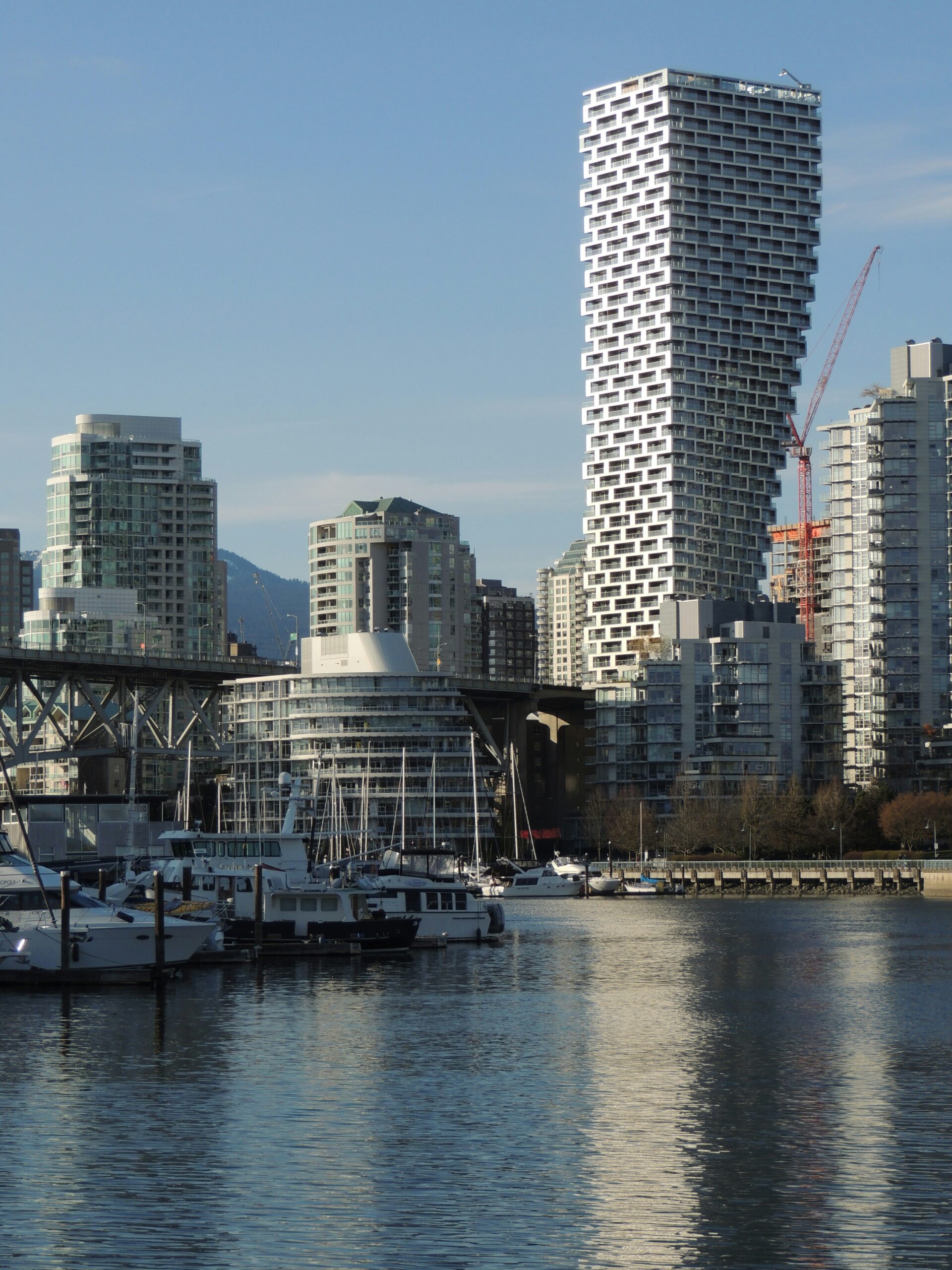

A new report making the rounds this week puts a number on something Metro Vancouver presale buyers have felt for a while: developers are sitting on a mountain of finished condos nobody has bought. Real Property Data, a Vancouver analytics firm, estimates the region’s finished-but-unsold condo inventory is worth $4.4 billion. That is a striking figure on its own, but the detail underneath it is more useful to you than the headline number. This is not mostly a story about small investor units nobody wanted. It is a story about the expensive, larger homes at the top of the price sheet, and that changes what it means for anyone shopping presales right now.
The numbers behind the headline
Real Property Data’s $4.4 billion estimate is based on what comparable condos sold for in 2026. A separate analytics firm, Zonda Urban, independently counted just over 5,300 finished-but-unsold condos and townhomes across Metro Vancouver this week. Burnaby leads with 1,200 units, followed by Vancouver at 958, Richmond at 816, Surrey at 559, and the Coquitlam-Port Moody area at 543. More than 1,300 of these units are sitting in buildings that were completed at least two years ago, so this is not simply new stock still working through a normal sales cycle. It is aging, unsold inventory that developers are financing month after month while it waits for a buyer.
If that $4.4 billion figure looks familiar with a slightly different number attached, you may be thinking of an earlier report from Rennie, using CMHC and Zonda data back in April, that put the value at $4.6 billion. The two reports use different methodologies and snapshots in time, so treat them as two data points telling the same underlying story rather than a contradiction.
The surprising part: it is not the small units
Here is the detail that should reshape how you think about this. Darcy Rai, president of Real Property Data, found that larger condos of 1,500 square feet or more have a 41.6 percent unsold rate, compared with just 12.2 percent for units under 500 square feet. Three-bedroom condos have the highest unsold rate of any common unit type, at 27.3 percent, followed by two-bedroom units at 22.5 percent. One-bedroom condos sit at a comparatively low 13.7 percent. Andy Yan, director of the City program at Simon Fraser University, found a similar pattern from a different angle: more than 80 percent of the unsold units are priced above $1 million.
The explanation is straightforward once you see it. For the better part of a decade, presale buildings sold from the bottom of the price sheet up. Smaller, cheaper units moved first because more buyers could commit to them years ahead of completion based on a floor plan. What is left standing today is the larger, pricier end of each project, the units that fewer buyers were willing to gamble on sight unseen.
Why the expensive units are the ones stuck
Construction costs are the other half of this. Jon Bennest, vice-president of product development at Zonda Urban, points out that concrete highrises cost more to build than woodframe construction, which pushed developers to price those units at a premium to make the projects viable. Some Burnaby highrise units launched near the 2022 peak sold for as much as $1,400 a square foot. An end user shopping a comparable new condo in that same location today would likely pay closer to $1,000 to $1,100 a square foot. That gap is exactly why the units priced at yesterday’s peak are the ones sitting empty now, and it is also why some developers have quietly run flash sales and limited-time price reductions rather than a broad, public repricing.
Which developers are holding the most inventory
Real Property Data’s building-level breakdown names specific holders. Ledingham McAllister holds 722 finished-and-unsold units across six completed towers in Burnaby and Coquitlam, including 266 of 352 released units still unsold at Icon at Southgate City, a 46-storey tower completed about a year ago. Anthem Properties holds the next-highest count at 458 units. Westbank holds the highest unsold value of any single project, with 150 of 331 units unsold at The Butterfly downtown, though Westbank disputes that figure, telling Postmedia its unsold rate there is under 20 percent and that its remaining inventory is mostly one and two-bedroom homes starting around $1 million.
This is worth sitting with if you are considering a resale or an assignment in one of these buildings. A developer carrying hundreds of unsold units across multiple towers has real financing pressure, and financing pressure is exactly what produces flash sales, but it can also be a signal to do extra homework on that specific project’s lender relationships before you sign anything.
Where this overhang concentrates, and why
Bennest also flagged a geographic pattern that connects directly to Metro Vancouver’s transit-oriented building boom. A large share of the unsold inventory sits in highrise towers near SkyTrain corridors that saw heavy development over the past eight years, including Brentwood, Lougheed, Metrotown, Edmonds, and Burquitlam in Burnaby and Coquitlam, plus a concentration near Richmond’s Capstan Station on the Canada Line. BC’s transit-oriented density law (Bill 47) is still working through an uneven rollout two years after its compliance deadline, and this unsold inventory is the flip side of that same story: the towers already built near transit in the last cycle are exactly where the biggest oversupply of expensive units now sits.
What this means for buyers
If you are shopping a larger unit, a two or three-bedroom in particular, you are looking at the exact segment where developers have the least leverage and the most incentive to negotiate. That means room to ask about price adjustments, deposit structure, or upgrade credits on standing inventory in a way that was unthinkable during the 2021 to 2022 presale frenzy. It also means you should ask direct questions about how long a specific unit has been on the market and whether the building has had prior price reductions, since that history tells you more about your negotiating room than the listing price does. On the flip side, if a project’s inventory looks especially concentrated with one heavily exposed developer, treat that as a prompt to check the builder’s financial standing and the project’s lender before committing, not as a reason to avoid the deal outright.
The bottom line
The $4.4 billion figure making the rounds this week is real, but the useful story is underneath it: this is a story about pricey, large-format units built at peak construction costs, concentrated in specific towers and specific developers, not a broad collapse across every price point. For a presale buyer, that distinction is the difference between panic and opportunity.
If you want help figuring out whether a specific standing-inventory unit or new launch is priced for today’s market, or you want early notice before new presales go public, register for VIP presale access at vancouverdwelling.ca. We track the inventory data and the fine print so you can negotiate from a position of knowledge.