Could a Weaker Dollar Push Vancouver Toward Recession?
Canada’s economy is starting to look shaky again. Between global trade tensions, slowing exports, and a softer Canadian dollar, there’s growing concern that the country could be heading into a mild recession. And while those...

Canada’s economy is starting to look shaky again. Between global trade tensions, slowing exports, and a softer Canadian dollar, there’s growing concern that the country could be heading into a mild recession. And while those headlines might feel distant from the housing market, for Vancouver real estate, they matter more than most people think.
The Warning Signs Are There

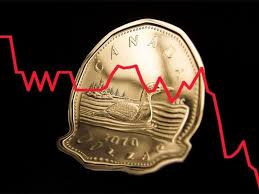
The latest forecasts from the Bank of Canada and several major banks paint a cautious picture. The Canadian dollar has been sliding toward 70 cents US, commodity prices are volatile, and export growth has slowed sharply.
For a country that depends on resource and trade income, that combination often signals broader weakness ahead. Add in softer consumer spending and record household debt, and the recipe for an economic slowdown is clear.
Vancouver, despite its wealth and international reputation, isn’t immune. The city’s economy is closely tied to the national picture through construction, trade, and financial services.
How It Ties Back to Real Estate
When the economy slows, real estate feels the effects in three major ways:
- Employment risk – A weaker economy can lead to layoffs in trade, construction, and technology sectors, reducing home-buying confidence.
- Consumer sentiment – Even people with stable jobs tend to delay big purchases when they sense uncertainty, lowering transaction volumes.
- Investor caution – Investors tend to hold off on presale purchases when economic growth slows or when the currency weakens, waiting to see where prices settle.
Ironically, lower growth often pushes interest rates down, which can support housing demand again, but only if confidence holds.
The Double-Edged Sword of a Weak Dollar
A weaker Canadian dollar can have both positive and negative effects on Vancouver’s housing market.
On one hand, it could reignite foreign interest. International buyers paying in stronger currencies may see Canadian property as a discount opportunity, especially in luxury markets like Coal Harbour or West Vancouver.
On the other hand, imported goods such as building materials, appliances, and construction equipment all become more expensive. Developers already stretched by financing costs could face another round of cost inflation, potentially delaying projects or forcing price adjustments.
That tension between cheaper borrowing and higher construction costs could define the next year in Greater Vancouver real estate.
What a Mild Recession Would Mean
If Canada does enter a mild recession in 2026, most economists expect it to be short-lived and relatively contained. For Vancouver, that would likely mean:
- Fewer new project launches as developers wait for clearer signals
- A modest slowdown in sales activity, especially in higher-priced segments
- Continued resilience in affordable condos and townhomes driven by end-user demand
Unlike 2008, today’s housing market is better capitalized, and banks are lending more conservatively. Most buyers have stress-tested for higher rates, so large-scale defaults remain unlikely.
The Long-Term View
Vancouver’s fundamentals remain strong. Population growth, limited land supply, and global desirability continue to support long-term housing demand. Economic downturns tend to pause appreciation rather than reverse it completely.
If the Canadian dollar stays weak, international investment could quietly flow back into key markets, especially as travel and immigration normalize further.
For local buyers, a slower economy may actually open opportunities. Motivated sellers, reduced competition, and lower rates could create windows for those who stay focused.
Takeaway: Short-Term Pain, Long-Term Balance
Canada’s economic slowdown and weaker dollar may create short-term uncertainty, but they also set the stage for stabilization. Vancouver’s housing market has endured multiple cycles of volatility and continues to adapt.
If the recession that economists predict does arrive, it’s likely to be a pause, not a collapse. Smart buyers and investors will use it as a moment to position themselves before confidence returns, because history shows that when Vancouver rebounds, it tends to do so quickly.