2026 BC Property Assessments Show Market Cooling – What You Need to Know
Why 2026 Property Assessments Matter Right Now If you’re a homeowner in British Columbia, you may have noticed something unexpected in your 2026 property assessment notice, your home’s assessed value may have dropped. This isn’t...

Why 2026 Property Assessments Matter Right Now
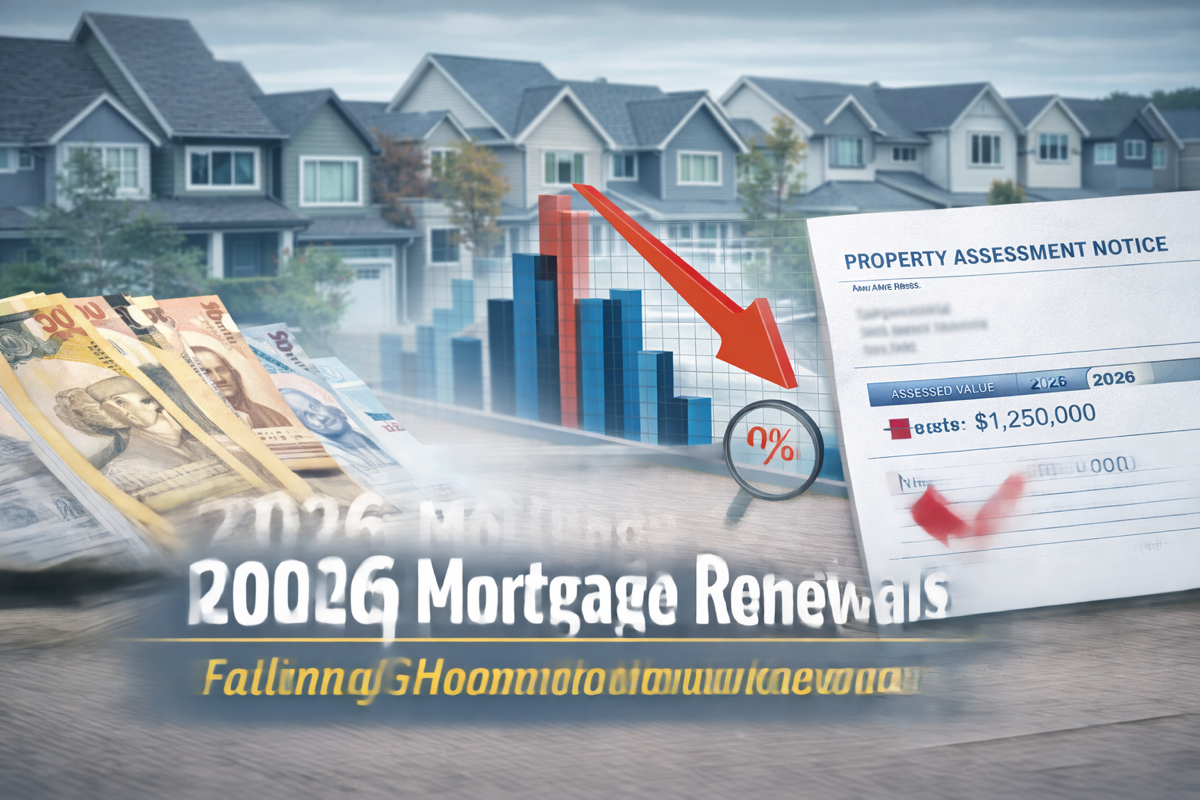
If you’re a homeowner in British Columbia, you may have noticed something unexpected in your 2026 property assessment notice, your home’s assessed value may have dropped. This isn’t just a number on paper. It signals a clear shift in the housing market across the province.
These assessments are based on market conditions as of July 1 of the previous year. Many communities, especially in the Lower Mainland, are seeing typical assessed values down by as much as 10 percent. This reflects a broader softening in home prices and sales activity.
Where Are Property Values Falling
The most noticeable declines are in major urban centres like Vancouver, Richmond, Surrey, and White Rock. Some homes in these areas have seen assessed values dip between 5 and 9 percent compared to the year before.
Meanwhile, certain smaller or rapidly developing communities are holding steady or even showing slight gains. It’s becoming more of a mixed picture, where location matters more than ever.
Will Lower Assessments Lead to Lower Taxes
One of the biggest myths is that lower assessed values automatically mean lower property taxes. The truth is, your taxes could still rise depending on how your home’s value changed relative to others in your area.
If your home’s value dropped more than average, you might see some relief. But if it dropped less than surrounding properties, your tax bill might increase. Municipalities adjust tax rates each year based on their revenue needs, not just changes in market value.
What It Means for Homeowners
A drop in assessed value can feel like a loss in equity, but it doesn’t necessarily mean your home is worth less on the market today. Property assessments are a lagging indicator. They don’t always align with current sale prices, especially in a shifting market.
If you’re planning to sell soon, it’s important not to base your listing price on your property assessment alone. Instead, look at recent comparable sales and talk to a real estate professional who knows your neighbourhood.
What It Means for Buyers
For buyers, this cooling in assessed values might feel like a signal to jump in, but approach with care. While values are lower on paper, actual market prices may have already shifted since the assessment date. What looks like a bargain might not be as simple as it seems.
That said, this environment could offer opportunities to negotiate better deals, especially in areas with high inventory and longer time on market.
Should You Appeal Your Assessment
If you believe your assessed value doesn’t fairly reflect your property’s condition or market value, you can request a review. The window to appeal is short, so act quickly if you plan to file.
Common reasons to appeal include major differences between your property and others nearby, errors in lot size or features, or recent sales that suggest a much lower market value.
Key Takeaways
- Many homeowners across BC are seeing lower assessed values in 2026
- This reflects a slower market and softer pricing trends
- Property taxes may still increase or decrease depending on your property’s relative change
- Assessed value is not the same as current market value
- Buyers and sellers should use up-to-date sales data, not just assessments, to guide decisions
Frequently Asked Questions
Why did my property’s assessment go down this year
It’s likely due to a general cooling in the real estate market between mid-2024 and mid-2025, which is the time frame assessments are based on.
Does this mean I can pay less property tax
Not necessarily. It depends on how your property’s value changed compared to others in your area.
Can I sell my home for the assessed value
In most cases, no. Assessed value and market value are different. Your real selling price will depend on market demand, location, and current trends.
Should I use my assessment to set a listing price
It’s better to rely on recent comparable sales. Your property assessment may be outdated by the time you list.
Can I appeal my assessment if I think it’s too high
Yes. If you believe your assessment is inaccurate, you can file an appeal before the deadline.
Do lower assessments mean it’s a good time to buy
Possibly. It may reflect more negotiating room, but always look at current data and consider financing conditions.
Explore Further: Curious how presale pricing compares to current assessments in your target area? Start with our Richmond presale condos: Richmond remains one of the most in-demand markets in Metro Vancouver.