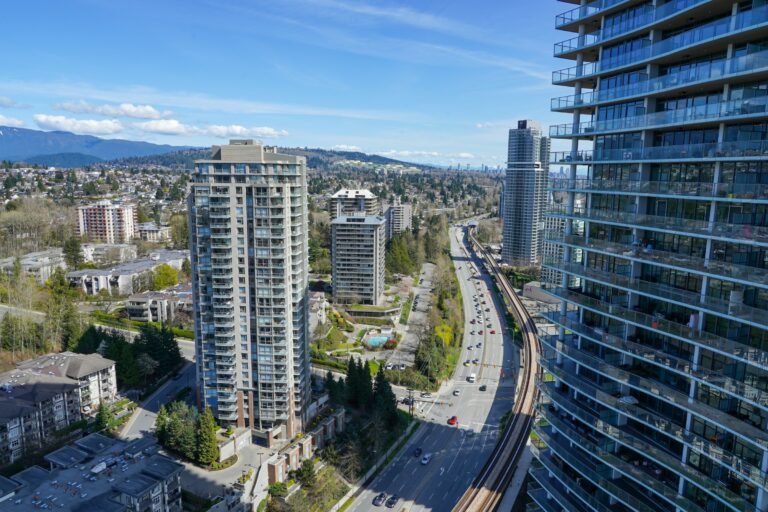
Housing Starts Are Slowing in Vancouver — Just as Demand Is About to Return
The latest data from CMHC shows that housing starts in British Columbia have fallen sharply in 2025, marking the first sustained slowdown since the pandemic. Across Metro Vancouver, construction of new homes, especially condos and...

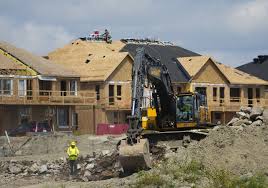
The latest data from CMHC shows that housing starts in British Columbia have fallen sharply in 2025, marking the first sustained slowdown since the pandemic. Across Metro Vancouver, construction of new homes, especially condos and purpose-built rentals, is trending lower than last year.
That wouldn’t normally raise alarms, but this time it’s happening right as interest rates begin to fall and homebuyer confidence starts creeping back. The timing couldn’t be worse.
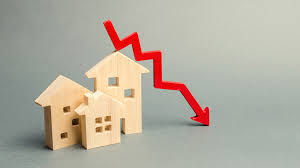
Fewer Shovels, Higher Pressure
According to CMHC’s September report, national housing starts are down roughly 9% year-over-year, with B.C. leading the decline. Vancouver saw a notable drop in multi-family projects, particularly large-scale condo and rental developments that fuel urban supply.
Developers point to several reasons:
- Rising construction and financing costs
- Labour shortages that have persisted since the pandemic
- Difficulty securing pre-sales or lender approvals in a cautious market
For presale developers, high interest rates over the past 18 months made it difficult to meet bank pre-sale requirements. Even as rates start to ease, lenders are still demanding stronger absorption and higher equity from builders. That hesitation is delaying projects across Burnaby, Coquitlam, and Surrey, areas that were once hotbeds for new launches.
Why It Matters Now
The slowdown might not hit immediately, but it’s setting up a supply gap that could appear by late 2026 or 2027. Once interest rates stabilize and demand rebounds, there will be fewer completed homes ready for occupancy, creating renewed upward pressure on prices and rents.
Vancouver already faces one of the lowest rental vacancy rates in the country. With population growth still outpacing completions, the province’s housing shortage isn’t just continuing. It’s worsening.
The Hidden Risk Behind the Numbers
What’s concerning isn’t just the decline in construction, but where it’s happening. Most of the slowdown is concentrated in mid-rise and high-rise developments, the exact segments that deliver the largest number of units in urban centers.
Townhome and low-rise projects are holding up slightly better, partly because they’re smaller and require less financing, but they can’t make up for the lost scale. If this trend continues, Greater Vancouver could fall short of CMHC’s own target of 570,000 new homes needed by 2030 to restore affordability.
For Buyers: Fewer Choices Ahead
If you’re a buyer waiting for prices to fall further, this is worth watching closely. Fewer new projects mean:
- Less competition among developers, which keeps prices firm
- Reduced inventory in the resale market as homeowners hold onto their properties
- Higher rental costs as fewer purpose-built rentals come online
In short, the longer construction lags, the harder it becomes for affordability to improve, even in a cooling economy.
For Developers: A Window to Re-Launch
Ironically, the coming year could be a strategic window for developers who stayed quiet during the rate-hike cycle. As borrowing costs ease and competitors remain hesitant, those who launch with realistic pricing and attractive deposit structures may capture pent-up demand early.
We’re already seeing this play out in Coquitlam and Brentwood, where projects with 5% deposits and limited incentives are drawing attention again. Buyers who recognize value are coming back.
What To Watch Next
CMHC’s next housing supply update will show whether the fall slowdown carries into 2026. If multi-family starts continue to slide, expect to hear renewed calls for government support, zoning flexibility, and development fee relief.
At the same time, keep an eye on new project announcements in Metro Vancouver. If developers stay cautious while buyers regain confidence, inventory could tighten faster than expected, setting the stage for the next price upswing.
Takeaway: The Calm Before the Crunch
Vancouver’s housing market has always been defined by imbalance. This construction slowdown might look like a lull, but it’s more likely the setup for the next shortage.
If interest rates keep falling and immigration continues at even a modest pace, the market could find itself back in familiar territory: too few homes, too many buyers, and another affordability challenge on the horizon.