Wake-Up Call: Why BC’s Real Estate Messaging Is Falling Flat in 2026
Why This Conversation Matters in 2026 In a time when many British Columbians are feeling the weight of high interest rates, declining home values, and economic uncertainty, some voices in the real estate industry are...

Why This Conversation Matters in 2026
In a time when many British Columbians are feeling the weight of high interest rates, declining home values, and economic uncertainty, some voices in the real estate industry are sounding out of touch. There’s growing criticism that the way real estate professionals talk about the market doesn’t align with what people are actually experiencing on the ground.
Condo marketers, developers, and agents are being called out for pushing outdated narratives, ignoring buyer concerns, or overhyping market potential when affordability is at a breaking point for many. This disconnect is raising eyebrows, especially among younger buyers and frustrated renters trying to enter the market.
What’s Wrong With the Messaging Today
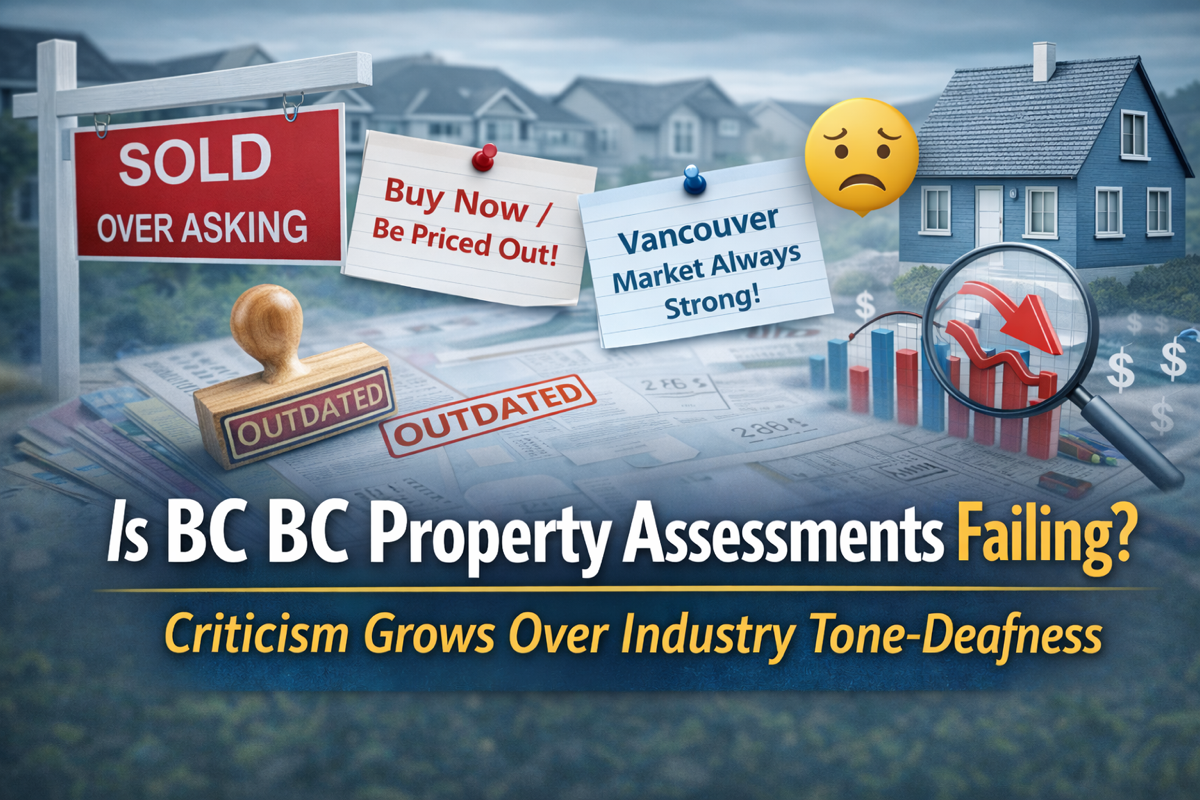
Real estate messaging in BC has often centered around urgency and scarcity: “Buy now or be priced out forever,” “Prices only go up,” or “We’re in a housing shortage, so demand will rebound fast.”
But in 2026, that tone doesn’t resonate. Many homeowners are dealing with mortgage renewal shocks, while potential buyers are cautiously watching the market cool. Pushing optimism without context can feel dismissive and alienating to the very people the industry claims to serve.
Here are some ways real estate messaging is missing the mark:
- Oversimplifying complex market data
- Failing to acknowledge affordability challenges
- Relying on outdated slogans that no longer apply
- Ignoring public frustration with developers and pricing strategies
The Shift Consumers Are Demanding
Buyers, sellers, and even renters want clarity, not spin. They want data they can trust, advice that reflects real risks, and transparency about pricing, timelines, and the true state of the market.
This doesn’t mean messaging has to be negative. It just needs to be honest.
Here’s what effective, trustworthy real estate messaging looks like in 2026:
- Balanced insights into both risks and opportunities
- Realistic projections based on market data
- Clear language, not jargon or hype
- Acknowledgment of the emotional and financial stress many are feeling
Why This Affects You: Whether You’re Buying or Selling
If you’re selling a home in 2026, tone-deaf messaging could hurt your ability to connect with the right buyers. Buyers today are cautious and value-driven. They’re not just buying a home: they’re managing risk. If your agent is using outdated sales tactics, you may lose credibility.
If you’re buying, poor messaging can distort your understanding of timing, pricing, and negotiating power. You may feel pressured to act on fear or hype instead of data. That’s a dangerous place to be when home prices are shifting and affordability remains uncertain.
What Agents and Developers Should Do Differently
To regain trust, the real estate industry in BC needs to reset how it communicates. This includes:
- Addressing reality head-on instead of glossing over challenges
- Tailoring messaging to specific buyer segments instead of using generic campaigns
- Leading with data instead of emotion
- Listening more and making space for buyer feedback
Real estate is emotional. People are making life-altering decisions, often with fear and hesitation. Messaging should reflect that with empathy and clarity.
The Takeaway for the Public
Whether you’re a first-time buyer, an investor, or a seller, the way real estate is talked about affects how you think, feel, and act. Don’t be afraid to question messaging that feels off. Ask for hard numbers. Challenge assumptions. And find professionals who communicate with clarity, transparency, and respect for your financial reality.
Frequently Asked Questions
Why is real estate messaging being criticized in BC right now
Because much of it still relies on old tactics like urgency or hype, even though the market is slowing and affordability is a real issue for most buyers.
What kind of messaging do buyers want today
Buyers want honest, data-driven advice that addresses real concerns like pricing, interest rates, and long-term stability.
Should I ignore agents who say ‘now is the best time to buy’
Not necessarily, but you should always ask for evidence. Every buyer’s situation is different. What’s good timing for one person may not be for another.
Are developers being transparent about pricing and timelines
In many cases, transparency is improving, but there’s still a lot of room for growth. Delays and unexpected fees continue to cause buyer frustration.
What role does social media play in real estate messaging
It plays a huge role. Messaging on platforms like Instagram, TikTok, and YouTube can shape public perception, but it often oversimplifies complex decisions.
Can clearer messaging really change how the market works
It can change how buyers and sellers behave. Better communication builds trust, reduces confusion, and helps people make more informed decisions.
Conclusion
The real estate market in BC is evolving, and so should the way professionals talk about it. Whether you’re an agent, developer, or buyer, now is the time to demand and deliver better messaging, messaging that speaks to people’s real lives, not just the next deal.
Explore Further: If you’re ready to cut through the noise and take action, start by exploring presale opportunities across Metro Vancouver. We’ll help you find the right project with straight talk, no pressure.