What If Trade Wars Hit Home Prices? How Tariffs Could Spill Into Vancouver Real Estate
Trade tensions are back, and they’re closer to home than most Canadians realize. Last week, the U.S. abruptly terminated trade negotiations with Canada after a political dispute involving Ontario’s government advertising. It sounds minor, but...

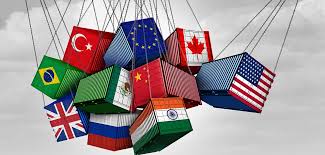
Trade tensions are back, and they’re closer to home than most Canadians realize.
Last week, the U.S. abruptly terminated trade negotiations with Canada after a political dispute involving Ontario’s government advertising. It sounds minor, but the consequences could be major. With cross-border talks frozen and retaliatory tariffs being hinted at, economists are warning of a new wave of economic uncertainty that could quietly seep into Vancouver’s housing market.

Canada’s Fragile Balancing Act
Canada relies heavily on exports: everything from lumber and energy to agriculture and manufactured goods. Roughly 75% of Canadian exports go to the United States, and British Columbia is at the heart of that trade, shipping billions in forestry and natural resources across the border each year.
So when tariff talks stall, the ripple effects start right here:
- Slower exports lead to weaker business investment
- Job losses in manufacturing, logistics, and energy sectors
- Lower consumer confidence, the real killer of housing demand
In short, if trade freezes, housing feels it.
The Vancouver Connection
Vancouver’s real estate market doesn’t exist in isolation. It thrives on confidence, capital, and population growth. If tariffs and supply chain disruptions hit the West Coast economy, several things could happen:
- Employment risk: Reduced demand for B.C. exports can directly affect employment in ports, shipping, and forestry, industries that indirectly sustain local housing demand.
- Developer hesitancy: Construction materials already cost more due to global shipping volatility. Tariffs on imports, especially from the U.S., could drive up construction costs again, delaying new presale launches or forcing developers to raise prices.
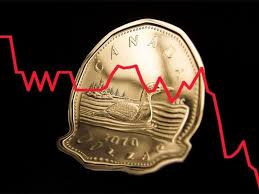
- Weaker dollar = mixed blessing: The Canadian dollar has already drifted toward $0.70 USD. While that could attract international buyers back to Vancouver’s luxury segment, it also means imported materials, appliances, and fuel cost more, squeezing builders and households alike.
So while trade headlines may sound distant, their aftershocks are felt in the very bones of our city’s economy and its skyline.
The Macro Risk No One Wants to Talk About
A prolonged tariff battle could push Canada toward a mild recession, or at least the perception of one. That alone could cause credit tightening as banks price in higher risk even as interest rates come down.
Imagine this scenario:
- The Bank of Canada cuts rates to support the economy
- The Canadian dollar weakens further
- Imports get more expensive, nudging inflation up again
- The central bank is forced to pause or reverse cuts right when the housing market was starting to recover
That’s a dangerous feedback loop, and one Vancouver’s leveraged homeowners would feel quickly.
Real Estate’s “Tariff Premium”
We often talk about location premiums, but we might soon start talking about tariff premiums.
Developers already battling high financing costs may soon face new price pressures from imported steel, lumber, and finishes. If these costs rise, expect fewer new projects or even cancellations of marginal presales. This, ironically, could tighten long-term supply and keep resale prices supported, even in a weaker economy.
So paradoxically, tariffs could create short-term pain but long-term scarcity, a familiar theme in Greater Vancouver real estate.
What To Watch Next
Eyes are now on Ottawa and Washington. If negotiations don’t resume soon, expect more volatility in the Canadian dollar and resource sectors. For real estate watchers:
- Keep an eye on construction costs, a leading indicator for presale pricing
- Watch employment data in B.C.’s trade-exposed industries
- Monitor U.S.–Canada relations ahead of the U.S. election cycle, as trade policy often becomes political theater
If this tension drags into 2026, don’t be surprised if Vancouver developers start pricing in higher contingencies or delaying new releases.
Takeaway: When Trade Wobbles, Real Estate Trembles
Tariffs don’t just hit factory floors. They ripple into mortgages, materials, and market psychology.
For Vancouver, where confidence and cost of construction drive everything from presale absorption to resale stability, this trade standoff could be the quiet storm no one saw coming.
So the next time you hear about “tariffs on lumber or steel,” don’t scroll past. It might be the new interest rate story in disguise.